Address
304 North Cardinal
St. Dorchester Center, MA 02124
Work Hours
Monday to Friday: 7AM - 7PM
Weekend: 10AM - 5PM
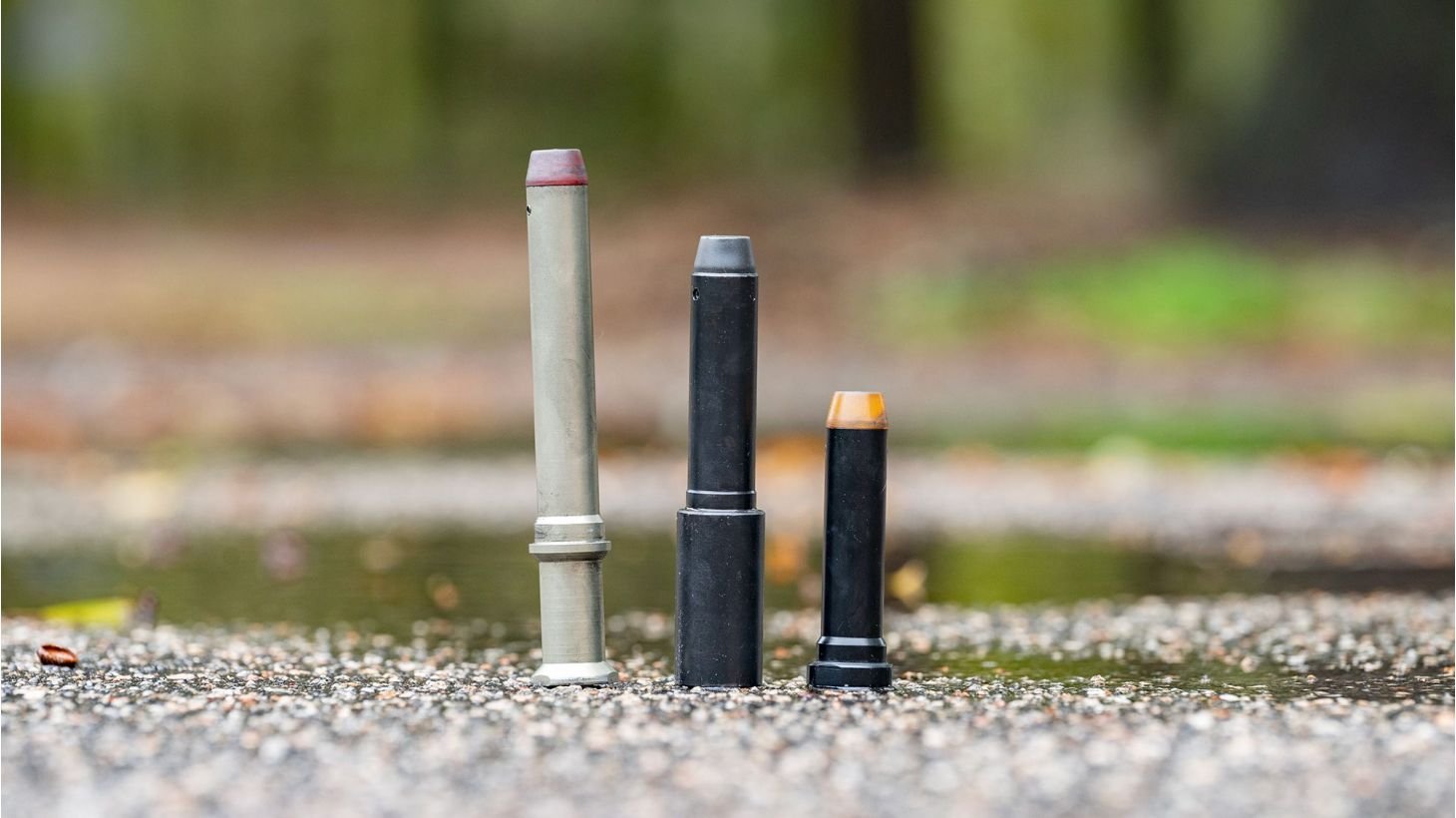
One of the key aspects of the AR-15’s design that enables it to be so lightweight and have such minimal felt recoil is the buffer system. But most shooters don’t truly understand how it works, or which buffers they should choose, or the direct impact each type has on the rifle.
From a physics standpoint, it can seem daunting to those of us who didn’t get straight A’s in school, but thankfully, the pragmatic aspects of AR-15 buffers are pretty simple and straightforward – but only if you have all the information. This is precisely why we put this guide together: to give you the information you need to make the best decision and understand exactly what the buffer system does.
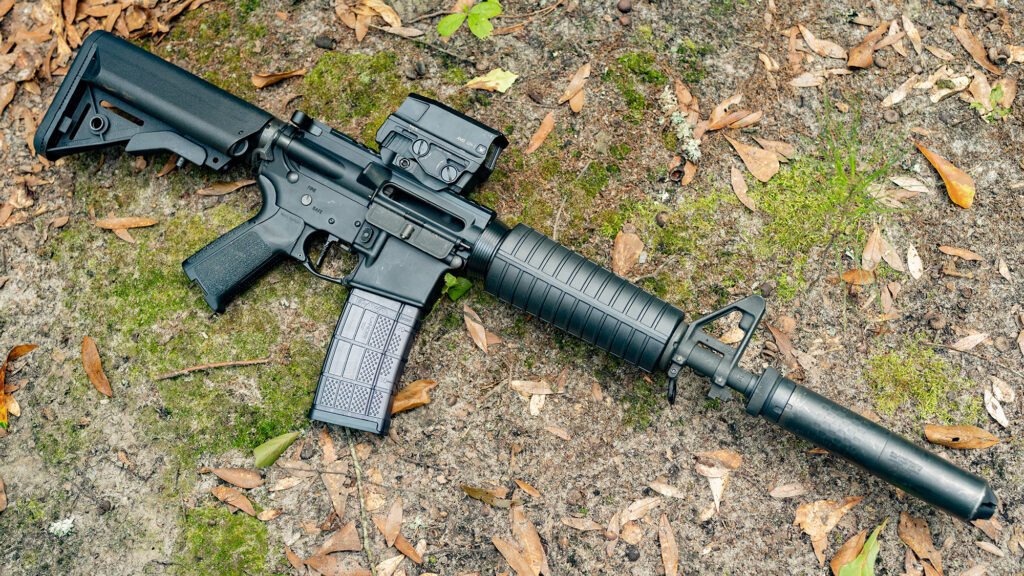
At the heart of the AR-15’s smooth recoil impulse is a deceptively simple mechanism: the buffer system. It consists of three core components the buffer, the buffer spring, and the receiver extension (commonly called the buffer tube).
Together, these parts perform three critical functions:
Slow the bolt carrier group’s rearward movement
Drive it forward to chamber the next round
Serve as the mounting platform for the stock or brace
Unlike most semi-automatic firearms developed before it, the AR-15 does not house its recoil system entirely within the receiver. Earlier designs typically placed recoil springs either forward of the action or fully contained inside the receiver itself. The AR-15 instead relocates this system into the receiver extension behind the rifle.
That design shift matters.
By moving the recoil system rearward, the AR-15 shifts the center of gravity closer to the shooter. The result is a rifle that feels lighter, better balanced, and easier to control — one of the defining traits that helped cement its popularity.
The buffer system’s biggest limitation is also what makes it work so well: it depends on the buffer tube to function. Because the recoil components live inside that tube, the rifle cannot cycle without it.
This is why AR-15s equipped with folding stock adapters, such as the Law folder, cannot function normally while folded. In some cases, the rifle may fire a single round while folded, but it cannot cycle. Without the buffer system in place, the bolt carrier group has no mechanism to travel rearward, extract the spent casing, and return forward to chamber the next round.
In short: no buffer tube, no cycling.
If you’ve ever noticed that different AR-15 configurations use different buffers and springs, that’s no accident.
The original 20-inch rifle-length AR-15 uses:
A relatively mild buffer spring
A buffer that is approximately sixty percent longer than carbine versions
This combination — a longer, heavier buffer paired with a lighter recoil spring — produces an exceptionally soft-shooting rifle, even by AR-15 standards.
The tradeoff? Size.
A 20-inch barrel adds nearly four inches of overall length compared to carbine setups, making it less practical for home defense or vehicle transport. While rifle-length systems are widely regarded as some of the smoothest shooting AR-15 configurations available, their overall length limits versatility.
Now that the fundamentals of the buffer system are clear, the next step is understanding how changing buffer weight or spring strength can dramatically influence reliability, recoil, and overall performance.
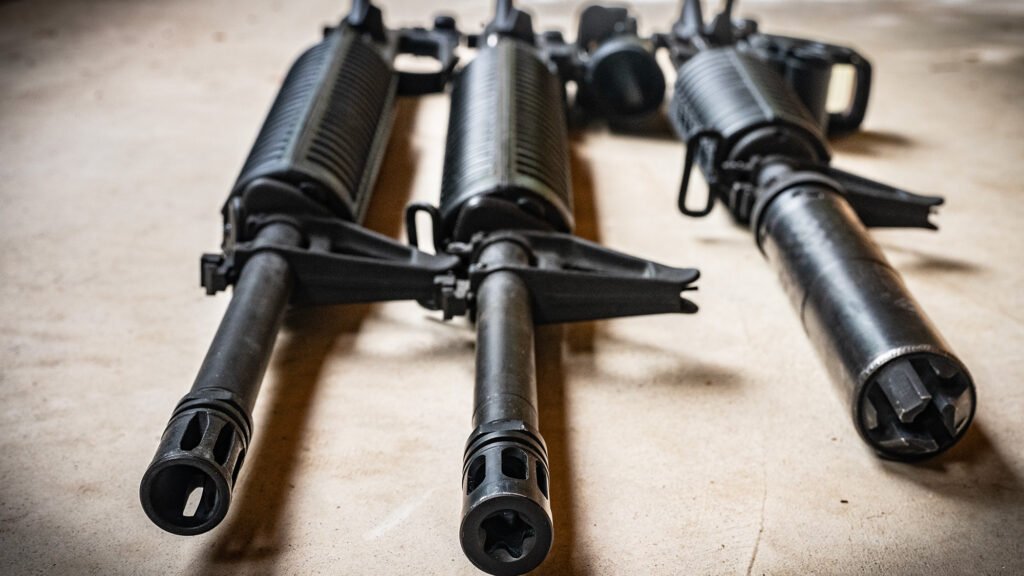
The buffer and recoil spring are the heartbeat of your AR-15. Beyond simply absorbing felt recoil, this duo acts as the primary regulator for cycling speed. When your rifle feels “sluggish” on the return or delivers a “sharp, violent” kick to the shoulder, the culprit is almost always an imbalance between buffer weight and spring tension. These two components dictate bolt carrier group (BCG) velocity, which is the “make or break” factor for consistent extraction and chambering.
In the 2026 tactical market, many shooters attempt to taming a harsh-recoiling rifle by simply swapping in a heavier spring. While springs are more affordable than weighted buffers, changing a single part is rarely a complete solution. The buffer and spring are a synchronized system; increasing spring tension without addressing buffer mass can lead to “short-stroking,” where the bolt fails to travel far enough back to pick up the next round.
You might wonder why a brand-new rifle requires tuning at all. To ensure reliability across a massive spectrum of ammunition, many manufacturers intentionally overgas their rifles from the factory.
Historically, this was a defensive measure against underpowered, steel-cased imports. A classic example is the 2003-era “Pre-Ban” Bushmaster. A shooter on a budget might feed a match-grade rifle twenty boxes of Tula .223 Remington, only to be met with constant malfunctions. Because Tula is noticeably lower-pressure than mil-spec 5.56 NATO—and because steel casings lack the slick coefficient of friction found in brass—the rifle’s timing falls apart.
The Lesson: A rifle tuned strictly for high-pressure duty ammo will often choke on “varmint-tier” steel loads, while a rifle overgassed to run “garbage ammo” will feel punishingly violent when shooting premium Federal or Winchester brass.
Your rifle’s cycling behavior is a 4-way conversation between:
Ammunition Pressure (The Fuel)
Gas System Length (The Timing)
Buffer Weight (The Inertia)
Spring Strength (The Return)
If your rifle feels unreliable or unrefined, you must look at the entire system. Diagnosing whether your bolt speed is too high (harsh recoil) or too low (sluggish cycling) is the first step toward achieving the “Soft-Hitter” performance seen in high-end platforms like the Daniel Defense PCC or the Geissele Super Duty.
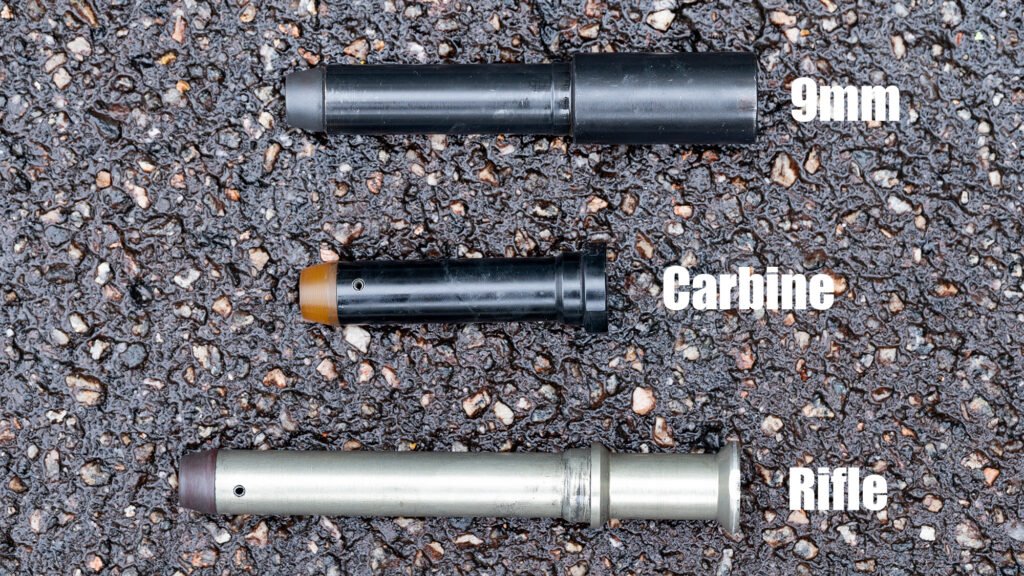
The AR-15 platform relies on four primary buffer categories, each optimized for a specific firearm configuration.
Rifle Buffer: This is the legacy design for the platform. It features a 5.9-inch body and a weight of 5.2 ounces. Because of its extended length, it is compatible only with fixed-stock rifles utilizing a rifle-length gas system and will not fit into a carbine-style receiver extension.
Carbine Buffer (H1): This is the standard-issue component for most carbines. Measuring 3.25 inches and weighing exactly three ounces, it is the go-to choice for shooters running either carbine or mid-length gas systems on rifles with 14.5-inch to 18-inch barrels.
H2 Buffer: A heavier evolution of the standard carbine model, the H2 maintains the same 3.25-inch dimensions but increases the mass to 4.6 ounces. This extra weight is preferred for 14.5 to 16-inch barrels running a suppressor, or for 10.5-inch short-barreled setups used without a silencer.
H3 Buffer: As the most substantial option in the standard lineup, the H3 weighs 5.4 ounces while retaining the standard carbine exterior. It is specifically designed to tame the violent cycling of ultra-short systems under 10 inches, as well as suppressed 10.5 to 11.5-inch duty builds.
While these represent the industry standards, specialty options like hydraulic or ultra-heavy buffers are also available to handle the unique physics of direct blowback AR-9 pistol-caliber carbines
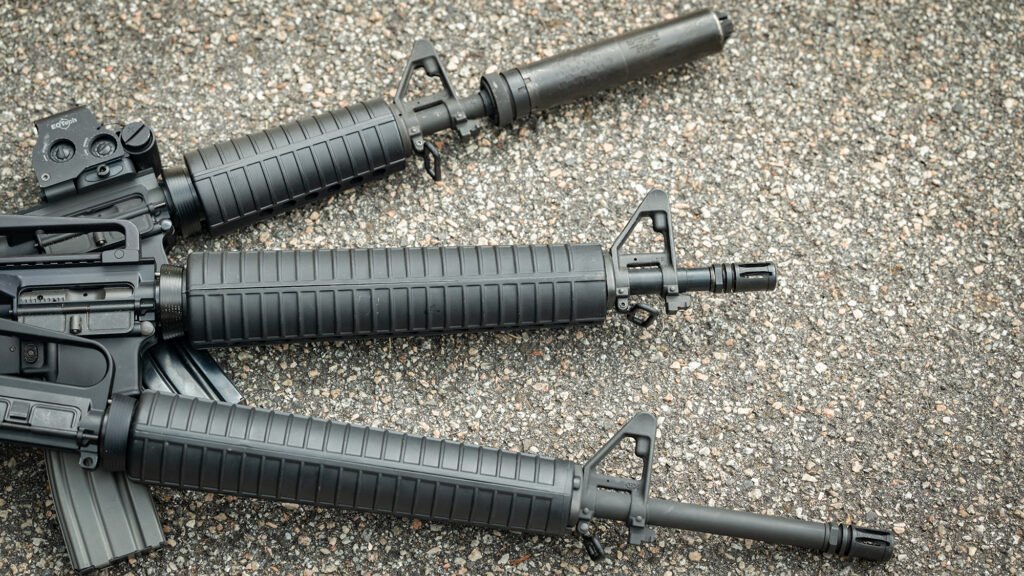
The weight of your buffer is directly tied to the length of your gas system: the shorter the system, the heavier the buffer required.
The Logic of Timing Shorter gas systems vent gas to the bolt carrier group much sooner in the firing cycle. This early impulse drastically increases bolt speed, requiring more physical resistance to maintain reliable cycling and prevent premature extraction.
Rifle-Length Systems: As the longest and slowest configuration, gas is delivered later and more gradually. Because the pressure curve is smoother, these setups utilize lighter buffers and recoil springs.
Pistol-Length Systems: With gas ports as close as four inches from the chamber, gas hits the bolt carrier almost instantly. To counteract this high-velocity bolt speed, a significantly heavier buffer and spring are necessary for reliable operation.
The Suppressor Factor Adding a suppressor increases backpressure, forcing a higher volume of gas into the bolt carrier group’s gas key. This additional force accelerates the carrier even further than a standard unsuppressed setup. To compensate for this increased velocity and maintain proper timing, suppressed rifles typically require a jump in buffer weight.
The Bottom Line Increased gas volume and higher bolt speeds demand more mass. Adding weight to the buffer system is the primary way to keep the action running smoothly under high-pressure conditions.
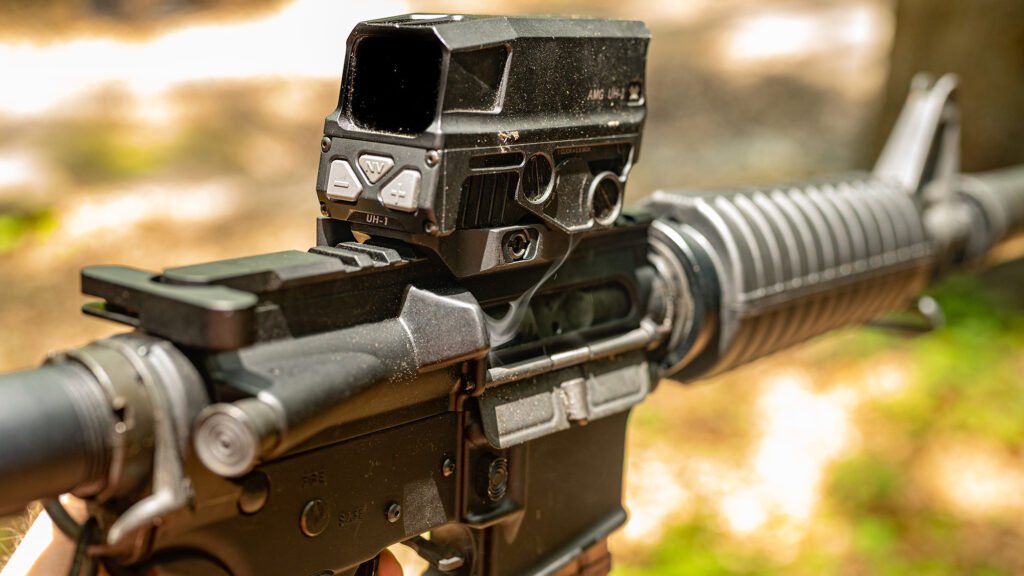
Choosing components based on price rather than compatibility can leave your rifle significantly overgassed or undergassed. If your setup isn’t properly balanced, the following indicators will help you diagnose the issue.
An overgassed AR-15 occurs when the bolt carrier velocity is too high for reliable operation. This is most common when adding a suppressor to a previously balanced rifle. Watch for these specific red flags:
Ejection Pattern: Casings are launched forcefully and land far forward, typically between the 12:00 and 3:00 o’clock positions.
Mechanical Stress: You may experience short-stroking, excessive carbon fouling, and a noticeable increase in gas blowback hitting the shooter’s face through the charging handle gap.
Undergassing provides the opposite set of problems; the bolt lacks the necessary force to cycle positively, leading to a sluggish feeling as the action returns to battery.
Ejection Pattern: Spent brass typically falls behind the shooter, landing between the 4:00 and 6:00 o’clock positions.
Failure to Lock: The most definitive sign is a bolt that fails to lock back on an empty magazine.
The Single-Round Reliability Test To verify your gas flow, follow all safety protocols at the range and load a magazine with exactly one round. Chamber and fire the round in a safe direction. If the bolt locks open on the empty magazine, your gas system is functioning correctly. If the bolt closes on an empty chamber, your rifle is undergassed and requires adjustment.
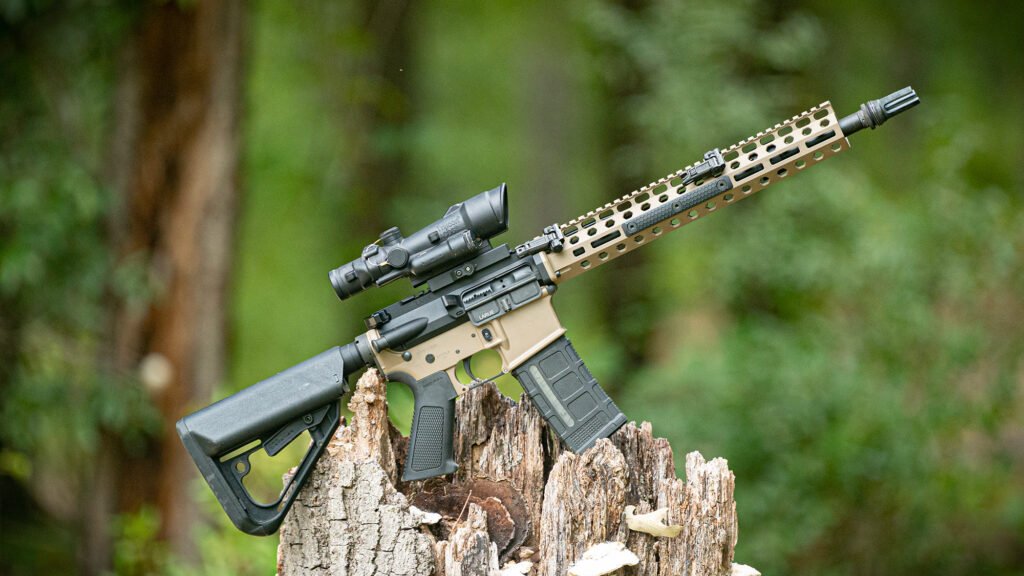
There is no single “best” buffer system for every application, but following a few fundamental rules will ensure your AR-15 operates reliably.
Matching Your Setup If you are running a rifle-length barrel with a rifle-length gas system and a fixed stock, always stick with full rifle buffer components. For standard carbines, the H1 or H2 weights are the gold standard unless you are transitioning to a suppressed setup or an ultra-short barrel configuration.
The Golden Rule of Tuning If your rifle currently functions flawlessly, the best move is to leave it alone. The old adage “if it ain’t broke, don’t fix it” is especially true for gas-operated systems. Only begin tweaking your buffer and spring weights once you identify specific cycling issues or after making a significant hardware change, such as adding a suppressor.
Enter your email address below and subscribe to our newsletter